
Snapper fishing in Sydney
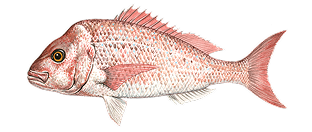
Snapper are Sydney's year-round reef fish, and winter is when the big ones push inshore. They're smart and spooky, and worth every early start. Here's when to go, where they hold, and the two methods that catch them: soft plastics on the drift, and baits in a berley trail.
Updated 22 September 2026
- Season
- All year. The biggest fish come June to August, and October to December brings numbers.
- Where
- Reef edges and the gravel beside them in 10 to 30 m, plus deep points inside the Heads.
- Best time
- First light, and the hour either side of a tide change.
- Legal size
- 30 cm minimum, bag limit 10 (NSW, September 2026). A lower bag limit has been proposed, so check before you go.
- Expect
- Five snapper is a great Sydney day. Two good fish is a good session.
Today, morning session · 5:20am to 9:20am
Barely a breath of wind and a big 7 ft swell. Warmer water is pushing in, which can bring the pelagics closer. Spring firing up, with flathead waking up on the flats.
Full Sydney fishing reportThe snapper year in Sydney
There's no closed season, and no month is truly dead. Water temperature and swell decide how close in they come.
| Month | What to expect |
|---|---|
| January to March | Big fish are possible in the warm water, though most boats are chasing kingfish. |
| April and May | Snapper build as the water cools, especially on the inshore reefs after a blow. |
| June | Numbers rise inshore and the winter run begins. |
| July | Prime time for big snapper, above all on the inshore reefs after a big south swell with current. |
| August | Patchier, but the fish are big. The odd 80 to 90 cm red turns up. |
| September | Improving, mostly 45 to 50 cm fish. Try a few different depths. |
| October | Good numbers inshore, with 70 to 80 cm fish mixed in among the 45 to 50s. |
| November | Big fish take plastics along the reef edges, and table fish come up the berley trail. |
| December | Regular 70 cm-plus fish and the occasional 80. |
Where snapper hold
- Beside the reef, not on it. Snapper sit on the gravel, shale and sand running off a reef edge, where they can feed without the pickers stripping everything.
- The current-facing edge. Where the current pushes into the reef, bait stacks up and predators feed. Start and finish your drifts on the edges.
- Inshore reefs in 10 to 30 m off the Northern Beaches and off Cronulla and Port Hacking fish well at dawn on plastics.
- Broken ground in 40 to 60 m suits bait fishing with a berley trail.
- Deep points inside the Heads. Sydney Harbour holds snapper too, especially on its deeper reef edges in winter.
- Found a big one? Go back. A reef that gives up one big snapper tends to hold more.
Conditions that switch them on
- After a big south swell. In winter, the days after a southerly blow, with the swell dropping and the current running, are when the inshore reefs fire.
- Clean green water beats crystal clear. In glassy, clear conditions the shallow bite often shuts down soon after sunrise.
- Moving water. No run, no fun. The bite often lines up with the last 30 to 60 minutes of the run and the first half hour after the tide changes.
- Low light, though big fish do get caught in the middle of the day, especially with berley going.
- Some anglers swear by the moon and the barometer, others don't. If the weather's good, just go.
Method 1: soft plastics on the drift
The most exciting way to catch a big red, and the one that covers the most ground.
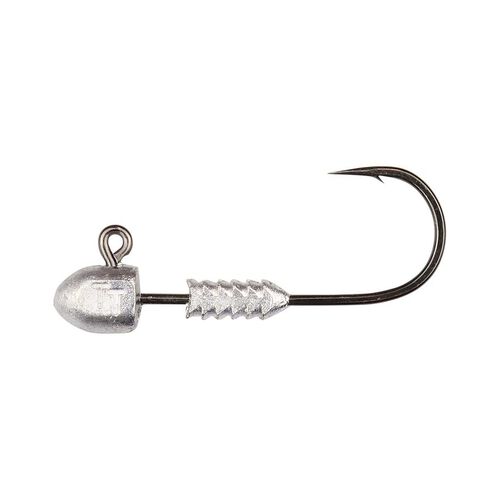
- Go as light as you can on the jighead. It's the single biggest lever. In 10 to 20 m, 1/16 to 1/4 oz lets the plastic sink slowly and naturally. Step up to 3/8 oz only at 30 m and deeper.
- Cast ahead of the drift and let it sink for 30 to 45 seconds, with the line just slack enough to watch. Most bites come on the drop.
- Small double twitches, then the occasional big lift and free-fall. Snapper rarely take a plastic while it's being wound in.
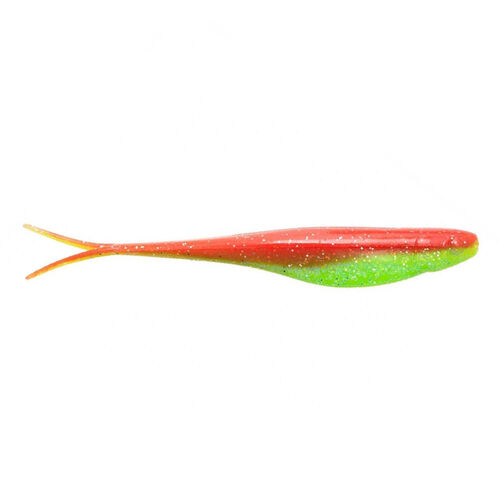
- 5 inch plastics match Sydney's baitfish. Jerk shads and prawn shapes, rigged dead straight so they don't spin.
- Tie a loop knot to the jighead. Snapper chew the head, and a knot pulled tight against the lead gets cut.
- Drift slowly, under a knot. A drogue or two helps in the wind.
- When the line snaps tight, strike hard and wind. Keep the drag firm to turn a big fish away from the reef.
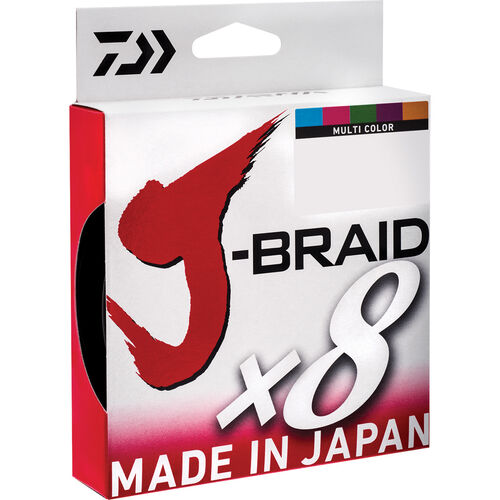
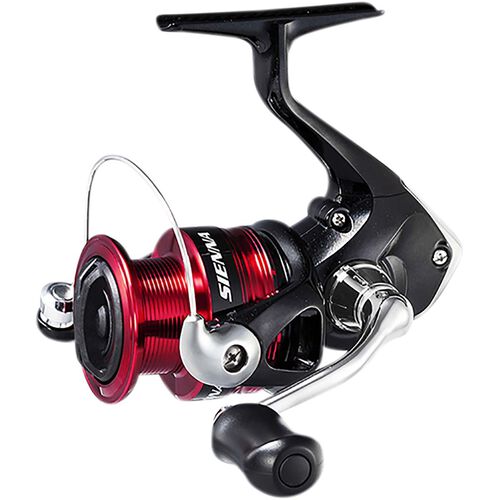
Tackle: a 7 ft, 3 to 7 kg spin rod, a 2500 to 4000 reel, 15 to 20 lb braid and a 20 lb fluorocarbon leader.
Method 2: baits in a berley trail
Slower, more social, and deadly on table-sized fish. Anchor or drift over broken ground just off the reef.
- Keep a berley trail going: small pieces, often, never a big dump. A weighted berley cage gets it down to the fish in deeper water and past the pickers.
- Fish your baits off the reef, on the sand and gravel beside it. Baits on the reef itself get stripped by pickers.
- Dense baits sink through the pickers. Half pilchards work, but cubed or butterflied yakka and squid strips last longer.
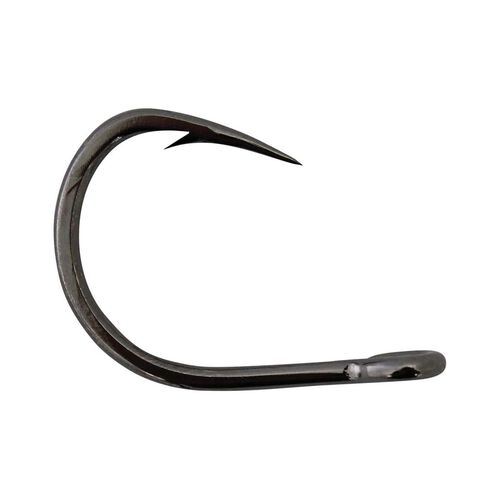
- Big baits, big hooks. 5/0 to 6/0, with the point well exposed. Circle hooks set themselves in the corner of the jaw, which suits a fish that swallows baits.
- Watch your line angle. With a light sinker your line should sit at about 45 degrees. Steeper than that and your bait isn't getting down.
- On the bite, flick the bail over and wind until the line comes tight. Don't strike into slack line.
- In deep water, 40 m and beyond, a paternoster rig with fresh bait is the big-fish method.
Tackle: a slightly heavier outfit and a 30 lb leader, because snapper swallow baits and their teeth wear through lighter line.
Look after your catch
- Brain-spike (iki jime) any fish you keep straight away, bleed it, then put it in an ice slurry. It makes a real difference on the plate.
- Keep what you'll eat. Big old reds are the breeding stock, and a quick photo and release keeps them on the reef.
Rules
Staying safe
- Snapper come off the rocks too, but rock platforms are the most dangerous place to fish in NSW. Only go in small swell, never turn your back on the sea, and wear a lifejacket. It's the law on rock platforms in the Northern Beaches, Randwick and Sutherland council areas. The rules.
- Offshore, check the wind and swell before you leave, and stay inside when it's rough. The live fishing report shows both.
- Read the fishing safety guide before your first trip.
Get a snapper plan for your next trip
Tell Reel Lucky when you're free. You'll get the zone, the tide window, the rig and the bait for that day, built on the live conditions.
Build my snapper planFree for 7 days. Then $4.99 a month.
What to use
What we'd pack for a snapper session: the plastics setup, bait hooks, and the safety gear the law asks for on the rocks.
As an Amazon Associate, Reel Lucky earns from qualifying purchases. Prices shown are indicative RRP; tap through for today’s price. Commissions never change what you pay.
Questions
When is snapper season in Sydney?
All year round. The biggest fish come inshore in winter, especially June to August, and October to December usually brings good numbers.
What is the legal size for snapper in NSW?
30 cm minimum with a bag limit of 10, as of September 2026. NSW DPIRD has proposed a lower bag limit, so check the current rules before you fish.
Where can I catch snapper in Sydney?
On the gravel and sand beside reef edges in 10 to 30 m off the Northern Beaches, Cronulla and Port Hacking, and on the deeper reef edges inside Sydney Harbour. Broken ground in 40 to 60 m suits bait fishing.
What is the best bait for snapper?
Fresh pilchards, cubed or butterflied yakka and squid strips, fished in a berley trail. On lures, 5 inch soft plastics on the lightest jighead that still reaches the bottom.
What time of day is best for snapper?
First light, and around a tide change. Big fish also get caught in the middle of the day, especially with berley in the water.